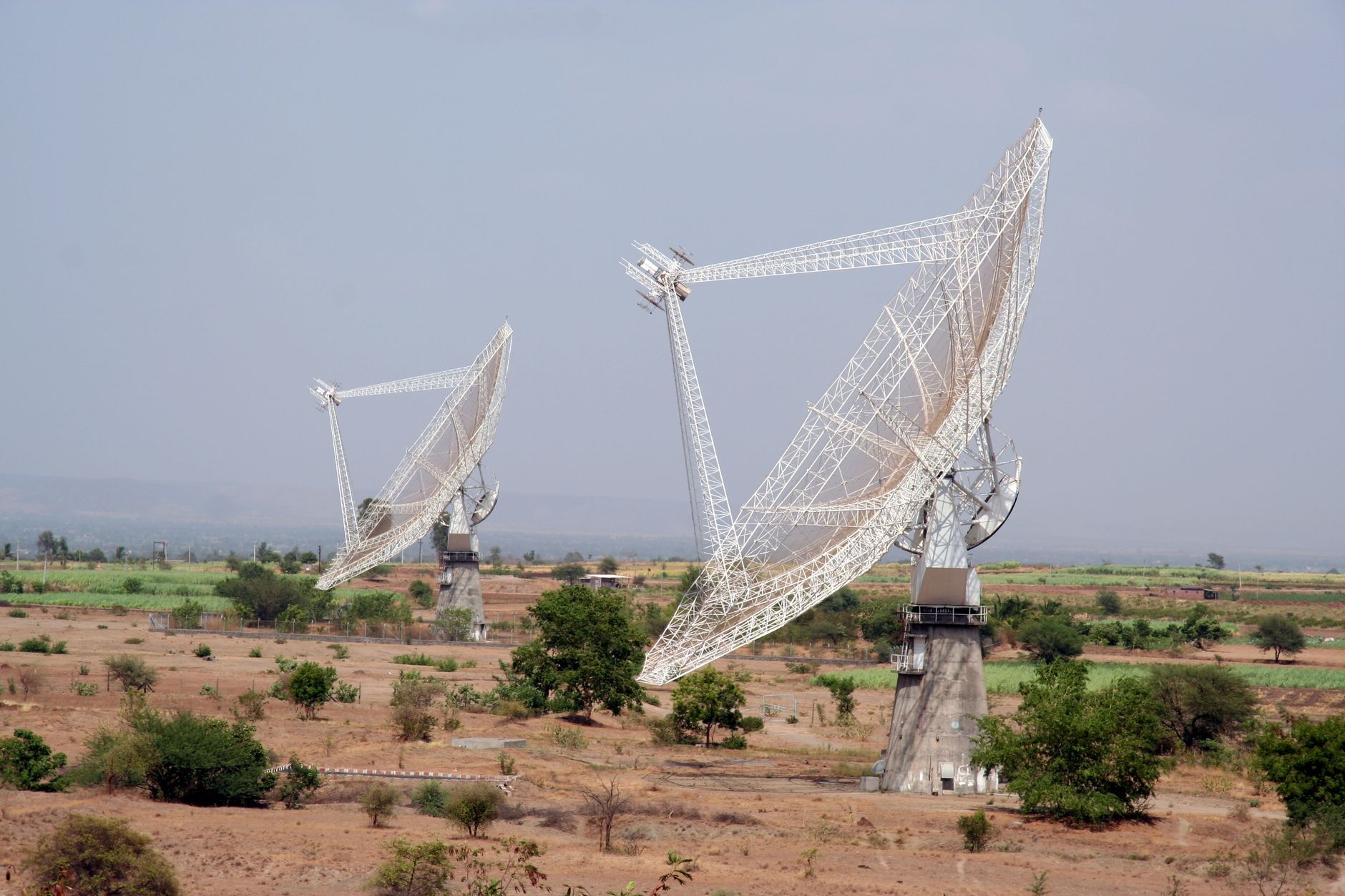
India’s first geosynchronous satellite has successfully been deployed into orbit by ISRO, showcasing the nation’s advancements in space exploration.
ISRO’s Milestone Achievement
ISRO’s recent success in deploying India’s first geosynchronous satellite, the EOS-05, marks a significant milestone in the country’s space journey. This satellite is designed to enhance India’s imaging capabilities, providing critical data for various applications including agriculture, forestry, and disaster management.
The launch took place on schedule, demonstrating ISRO’s proficiency in executing complex missions. With the EOS-05 positioned in a geosynchronous orbit, it will maintain a fixed position relative to the Earth’s surface, enabling continuous observation of specific areas. This capability is vital for monitoring changes in the environment and responding effectively to natural disasters.
Key features of India’s first geosynchronous satellite include:
- High-resolution imaging: The satellite is equipped with advanced sensors that capture detailed images of the Earth’s surface.
- Real-time data transmission: EOS-05 ensures timely updates for effective decision-making in various sectors.
- Enhanced weather forecasting: The satellite’s data will contribute to improving meteorological predictions.
Overall, the successful deployment of EOS-05 not only showcases ISRO’s technological advancements but also reinforces India’s position in the global space arena.
Technical Specifications of EOS-05
The EOS-05 satellite, India’s first geosynchronous satellite, boasts a range of impressive technical specifications that underline its advanced capabilities. This satellite is equipped with a state-of-the-art imaging payload designed to provide high-resolution data for various applications, including agricultural monitoring, disaster management, and urban planning.
Some key features of EOS-05 include:
- Orbit: Positioned in a geosynchronous orbit, allowing it to maintain a constant view of specific regions on Earth.
- Imaging Capability: The satellite is capable of capturing images with a resolution of up to 50 meters, which is critical for detailed analysis.
- Data Transmission: Equipped with high-bandwidth communication systems to ensure rapid data relay back to ground stations.
- Power Supply: Utilizes solar panels for efficient energy generation, ensuring operational longevity and sustainability.
- Payload Weight: The satellite’s payload weighs approximately 700 kg, optimizing the balance between size and functionality.
These specifications not only demonstrate the technological prowess of ISRO but also highlight the satellite’s potential to contribute significantly to various sectors within India.
Impact on India’s Space Program
The successful deployment of India’s first geosynchronous satellite, EOS-05, marks a transformative moment for the Indian Space Research Organisation (ISRO) and the nation’s space program. This achievement not only enhances India’s capabilities in satellite technology but also strengthens its position in the global space community.
EOS-05 is expected to significantly bolster various sectors, including agriculture, disaster management, and urban planning. The satellite’s advanced imaging capabilities allow for real-time monitoring of environmental changes, enabling prompt responses to natural disasters. Furthermore, it provides high-resolution data that is crucial for effective resource management.
This milestone demonstrates ISRO’s commitment to innovation and technological advancement. With the successful launch of India’s first geosynchronous satellite, the organization is poised to undertake more ambitious projects in the future. The experience gained from this mission will pave the way for upcoming satellites that can contribute to national development and scientific research.
As India continues to grow its capabilities in space exploration, the implications of EOS-05 extend beyond immediate applications. It signifies the potential for international collaborations and partnerships, further enhancing India’s role on the global stage.
Future of Geosynchronous Satellites
The successful deployment of India’s first geosynchronous satellite, EOS-05, marks a significant advancement in the nation’s space endeavors. As ISRO continues to innovate, the future of geosynchronous satellites appears promising and full of potential applications.
One major area of focus is the enhancement of real-time monitoring capabilities. With EOS-05 in orbit, it is expected to improve weather forecasting and disaster management, providing crucial data for timely responses. The satellite’s high-resolution imaging will benefit various sectors, including agriculture, urban planning, and environmental monitoring.
Moreover, ISRO plans to expand its geosynchronous satellite fleet, leveraging advancements in technology to develop more sophisticated systems. Key objectives for future missions include:
- Increased Coverage: Expanding the geographical reach of satellites to provide comprehensive data across more regions.
- Enhanced Resolution: Developing satellites with improved imaging capabilities for more detailed observations.
- Cost Efficiency: Innovating in satellite design and launch processes to reduce overall costs.
As ISRO forges ahead, the advancements in geosynchronous satellites are set to play a pivotal role in supporting India’s technological and scientific aspirations.
Challenges in Satellite Deployment
The deployment of India’s first geosynchronous satellite, EOS-05, was not without its challenges. The Indian Space Research Organisation (ISRO) faced several hurdles throughout the mission, demonstrating their resilience and adaptability in the field of space technology.
One of the primary challenges involved ensuring the satellite’s precision placement into its designated orbit. Achieving a geosynchronous orbit requires meticulous calculations and execution, as even minor errors can lead to significant deviations. The ISRO team had to coordinate various aspects of the launch process, including the timing of the rocket’s ignition and the satellite’s separation from the launch vehicle.
Additionally, the harsh conditions of space presented unique obstacles. The satellite’s systems needed to be robust enough to withstand radiation exposure and extreme temperatures. Engineers worked tirelessly to develop technology that could ensure the longevity and functionality of the satellite in its operational orbit.
Moreover, the integration of advanced imaging capabilities posed technical challenges that required innovative solutions. The successful deployment of India’s first geosynchronous satellite showcases ISRO’s commitment to overcoming these difficulties, marking a significant advancement in India’s space exploration efforts.
Photo by Sachin Kumar Wadhwa on Pexels